

Parte della nostra serie di guide professionali: Strumenti Chirurgici Ortopedici a Motore: La Guida Completa a Trapani, Seghe e Sistemi Chirurgici
Una corretta sterilizzazione degli strumenti chirurgici ortopedici a motore è fondamentale per la prevenzione delle infezioni, la precisione chirurgica e l'affidabilità a lungo termine degli strumenti. Negli ambienti operatori affollati, trapani ortopedici, seghe, driver per fili e alesatori sono esposti ripetutamente a sangue, particelle ossee, umidità e cicli di sterilizzazione ad alta temperatura. Senza un processo di manutenzione strutturato, anche i sistemi premium possono subire usura prematura o rischi di contaminazione.
Questo manuale clinico spiega il flusso di lavoro completo per la pulizia, la lubrificazione, l'ispezione, l'imballaggio e la sterilizzazione degli strumenti chirurgici ortopedici a motore, aiutando al contempo gli ospedali a prolungare la durata degli strumenti e a ridurre i guasti imprevisti delle apparecchiature. 🏥
Perché la Sterilizzazione degli Strumenti Chirurgici Ortopedici a Motore è Importante 🔬
I sistemi elettrici ortopedici sono più complessi rispetto agli strumenti chirurgici manuali standard. All'interno di ogni manipolo si trovano componenti ingegnerizzati con precisione, progettati per funzionare in condizioni di coppia elevata e alta velocità.
Questi sistemi includono comunemente:
- Gruppi motore rotanti
- Sistemi di cuscinetti interni
- Meccanismi di bloccaggio del mandrino
- Controlli elettronici della velocità
- Percorsi pneumatici dell'aria
- Interfacce di contatto della batteria
Quando la manutenzione non è costante, possono svilupparsi rapidamente diversi problemi:
Rischi di Controllo delle Infezioni
Il biofilm residuo all'interno di lumi o canali nascosti può sopravvivere a una pulizia incompleta. Una corretta protocollo di pulizia del trapano osseo procedura aiuta a ridurre la contaminazione microbica prima che inizi la sterilizzazione.
Declino delle Prestazioni Meccaniche
Una lubrificazione insufficiente aumenta l'attrito all'interno dei cuscinetti interni e delle parti mobili. Nel tempo, ciò riduce la precisione di perforazione e può causare surriscaldamento o blocco durante l'intervento chirurgico.
Aumento dei Costi Operativi
La sostituzione prematura degli strumenti aumenta significativamente i costi per procedura. Seguire una strutturata guida alla manutenzione degli strumenti chirurgici può migliorare drasticamente la longevità delle apparecchiature.
Per le strutture sanitarie focalizzate sulla conformità e l'efficienza, la sterilizzazione di routine non è facoltativa — fa parte di una pratica chirurgica sicura.
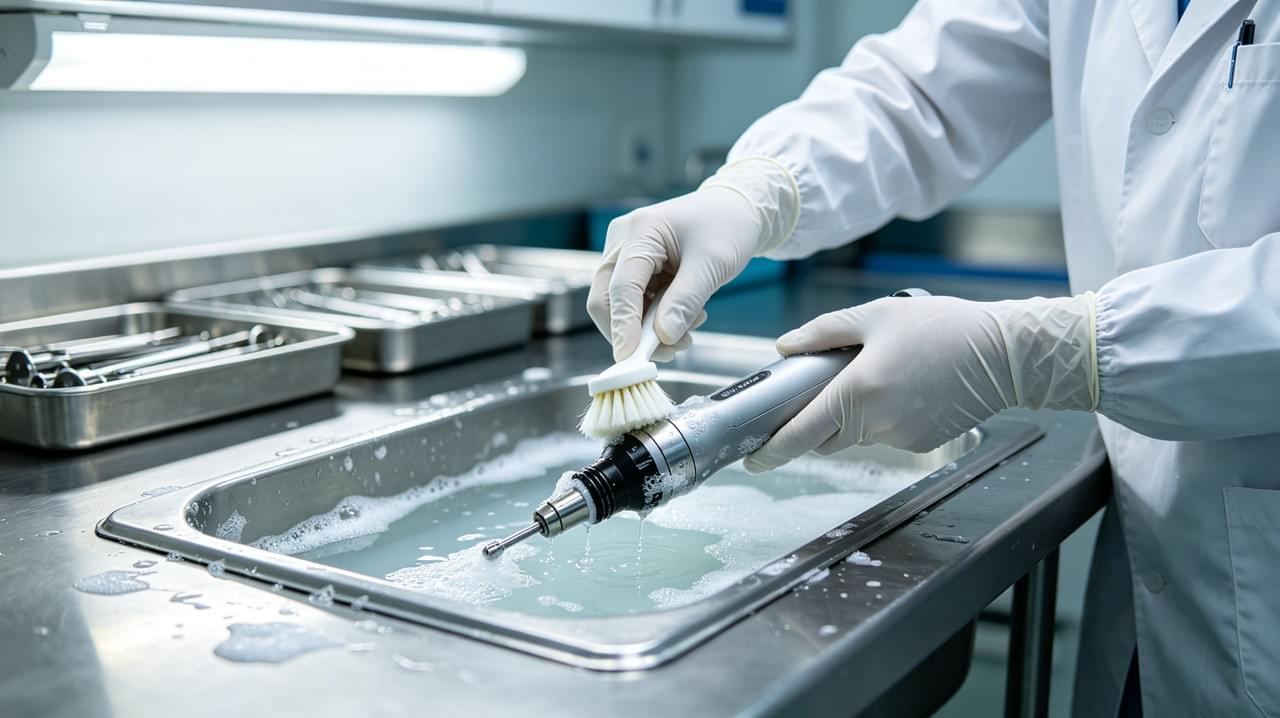
Fase 1: Pre-pulizia al Punto d'Uso 🧼
La prima fase di sterilizzazione degli strumenti chirurgici ortopedici a motore inizia immediatamente dopo l'intervento chirurgico.
Rimuovere Rapidamente la Contaminazione Grossolana
Pulire le superfici esterne utilizzando un panno umido e privo di pelucchi prima che sangue o detriti ossei si secchino sullo strumento.
Separare gli Accessori
Staccare le punte da trapano, le lame per sega e gli accessori per la guida di fili prima del trasporto alla CSSD. Ciò previene la contaminazione intrappolata e semplifica la pulizia.
Utilizzare Contenitori di Trasporto Sicuri
Tutti gli strumenti devono essere trasferiti in contenitori chiusi e resistenti alle perforazioni per ridurre i rischi di manipolazione e l'esposizione ambientale.
Prevenire Residui Proteici Essiccati
Permettere ai detriti di seccarsi rende la pulizia successiva significativamente più difficile e può compromettere l'efficacia della sterilizzazione.
Gli ospedali che implementano percorsi di decontaminazione standardizzati spesso riscontrano meno incidenti di riparazione e una migliore coerenza del flusso di lavoro chirurgico.
Fase 2: La Sterilizzazione degli Strumenti Chirurgici Ortopedici a Motore Inizia con l'Immersione Enzimatica 🧪
Prima della pulizia meccanica, gli strumenti dovrebbero essere sottoposti a un pre-trattamento enzimatico.
Preparare la Soluzione Detergente
Seguire attentamente le raccomandazioni del produttore per la diluizione. La maggior parte dei detergenti enzimatici funziona efficacemente a circa 40°C.
Immergere Completamente i Componenti
I trapani cannulati e i canali interni devono essere completamente riempiti con soluzione detergente per garantire un'adeguata scomposizione delle proteine.
Mantenere un Tempo di Ammollo Adeguato
Un'immersione di 5-10 minuti di solito fornisce una decontaminazione iniziale sufficiente prima della spazzolatura o del trattamento a ultrasuoni.
Sciacquare i Lumi Interni
Utilizzare siringhe o spazzole per lumi per far circolare il detergente attraverso i percorsi interni dove la contaminazione potrebbe accumularsi.
Una corretta preparazione enzimatica migliora l'efficacia di ogni fase successiva nel ciclo di sterilizzazione.
Fase 3: Pulizia Manuale per la Sterilizzazione degli Strumenti Chirurgici Ortopedici a Motore 🛠️
La pulizia manuale rimane essenziale anche quando sono disponibili sistemi automatizzati.
Spazzolare Accuratamente le Superfici Esterne
Utilizzare spazzole dedicate in nylon per strumenti con detergente enzimatico per rimuovere i residui visibili.
Pulire Accuratamente i Canali Interni
Spazzole per lumi di dimensioni appropriate dovrebbero passare attraverso tutti i fori e le cannulazioni accessibili ruotando delicatamente.
Ispezionare i Meccanismi del Mandrino
I detriti si accumulano comunemente intorno alle ganasce del mandrino e ai sistemi di bloccaggio. Aprire e chiudere ripetutamente il meccanismo durante la pulizia per allentare le particelle intrappolate.
Sciacquare con Acqua Purificata
L'acqua distillata o addolcita aiuta a prevenire i depositi minerali che possono influenzare le prestazioni a lungo termine dello strumento.
Le strutture che cercano una maggiore durata degli strumenti spesso combinano la pulizia manuale con la formazione di routine del personale sulle competenze e programmi di ispezione preventiva.
Per approfondimenti più ampi sul controllo qualità dei dispositivi chirurgici, gli ospedali possono anche consultare Standard di Qualità nella Produzione Medicale.
Fase 4: La Pulizia ad Ultrasuoni Migliora la Sterilizzazione degli Strumenti Chirurgici Ortopedici a Motore 🌊
I sistemi a ultrasuoni aiutano a rimuovere i detriti microscopici da aree difficili da raggiungere manualmente.
Intervallo di Frequenza Raccomandato
La maggior parte degli strumenti chirurgici risponde bene alle frequenze ultrasoniche tra 25 e 45 kHz.
Scegliere Soluzioni Neutre o Enzimatiche
Evitare prodotti chimici aggressivi che potrebbero danneggiare guarnizioni o rivestimenti protettivi.
Controllare Attentamente la Temperatura
Le temperature di pulizia tra 40 e 50°C generalmente bilanciano una decontaminazione efficace con la sicurezza dei materiali.
Evitare il Contatto tra gli Strumenti
Gli strumenti che si toccano durante i cicli a ultrasuoni possono subire danni superficiali o graffi.
⚠️ Non tutti i manipoli ortopedici sono approvati per l'immersione completa. Seguire sempre le Istruzioni per l'Uso (IFU) del produttore prima del trattamento a ultrasuoni.
Le strutture sanitarie che desiderano migliorare la conformità possono anche beneficiare delle linee guida ufficiali fornite dalla Associazione per l'Avanzamento della Strumentazione Medica (AAMI) e il Linee guida CDC per la sterilizzazione.
Fase 5: Lubrificazione nella Sterilizzazione degli Strumenti Chirurgici Ortopedici a Motore ⚙️
La lubrificazione è una delle fasi più trascurate nella cura degli strumenti ortopedici.
Utilizzare Lubrificanti di Grado Chirurgico
Solo i lubrificanti approvati dal produttore devono essere applicati ai componenti interni in movimento.
Concentrarsi sulle Aree ad Alta Mobilità
Lubrificare:
- Sistemi di mandrino
- Meccanismi a grilletto
- Ingressi aria pneumatici
- Giunti articolati
Distribuire Uniformemente il Lubrificante
Azionare i grilletti e i meccanismi di bloccaggio più volte dopo l'applicazione per distribuire il lubrificante internamente.
Rimuovere l'Olio in Eccesso
I residui visibili devono essere rimossi prima del confezionamento per la sterilizzazione.
Una selezione errata del lubrificante può danneggiare le guarnizioni o interferire con la penetrazione del vapore durante i.
Fase 6: Ispezione Prima della Sterilizzazione 🔍
Ogni strumento dovrebbe essere sottoposto a ispezione visiva e funzionale prima dell'imballaggio.
Esaminare l'Integrità Strutturale
Verificare la presenza di:
- Crepe
- Corrosione
- Ammaccature
- Danni superficiali
Testare la Ritenzione del Mandrino
Punte e accessori dovrebbero bloccarsi saldamente senza oscillazioni.
Ispezionare gli Accessori
Punte da trapano o lame per sega danneggiate dovrebbero essere sostituite immediatamente.
Se la vostra struttura esegue frequentemente procedure ortopediche, la revisione di Materiali delle Lame per Seghe Chirurgiche ed Efficienza di Taglio può aiutare a ottimizzare la selezione degli accessori e i tempi di sostituzione.
Controllare i Contatti e le Guarnizioni della Batteria
Interfacce della batteria corrose o O-ring danneggiati possono compromettere le prestazioni e la compatibilità con la sterilizzazione.
L'ispezione di routine riduce significativamente i guasti intraoperatori imprevisti.
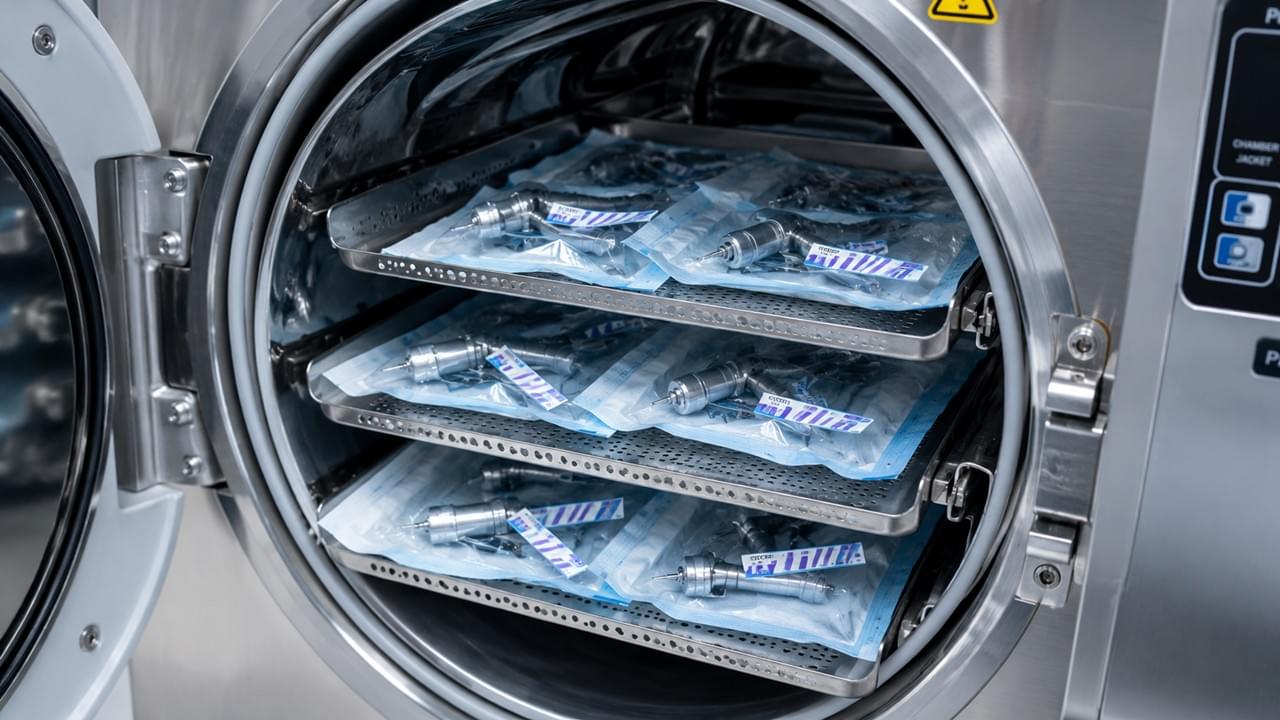
Fase 7: Imballaggio e Preparazione per l'Autoclave 📦
Un imballaggio corretto protegge la sterilità dopo la lavorazione.
Utilizzare Sistemi di Avvolgimento Approvati
L'involucro CSR e le buste di sterilizzazione validate sono comunemente raccomandati per strumenti elettrici ortopedici e accessori.
Aggiungere Indicatori di Sterilizzazione
Gli indicatori integratori di Classe 5 aiutano a confermare condizioni di esposizione alla sterilizzazione appropriate.
Evitare il Sovraccarico
Una compressione eccessiva può danneggiare delicati mandrini o gruppi grilletto.
Etichettare Chiaramente Ogni Confezione
La documentazione dovrebbe includere:
- Identificazione dello strumento
- Data del ciclo di sterilizzazione
- Iniziali del tecnico
- Numero del ciclo
Una forte tracciabilità supporta la verifica del controllo delle infezioni e la pianificazione della manutenzione preventiva.
Fase 8: Parametri dell'Autoclave per la Sterilizzazione degli Strumenti Chirurgici Ortopedici a Motore ♨️
Parametri di sterilizzazione a vapore validati sono essenziali per il ritrattamento sicuro degli strumenti.
Le raccomandazioni tipiche per i cicli avvolti includono:
| Parametro | Ciclo Standard Avvolto |
|---|---|
| Temperatura | 134°C |
| Tempo di Esposizione | 18 minuti |
| Tempo di Asciugatura | 20–30 minuti |
| Tipo di Ciclo | Pre-vuoto |
La maggior parte dei sistemi di alta qualità può tollerare centinaia di cicli correttamente validati se mantenuti correttamente.
Gli strumenti ortopedici Vsun Medical sono fabbricati utilizzando processi conformi alle GMP e validati per prestazioni di sterilizzazione ripetute in condizioni cliniche standard.
I moduli batteria, tuttavia, spesso non sono compatibili con il vapore e potrebbero richiedere metodi di sterilizzazione alternativi a bassa temperatura.
Gli ospedali che valutano sistemi ortopedici completi possono esplorare il categoria di prodotti di strumenti elettrici ortopedici per ulteriori specifiche tecniche e risorse di supporto per la manutenzione.
Domande Frequenti ❓
I manipoli degli strumenti chirurgici ortopedici a motore possono essere completamente immersi?
Dipende dalla progettazione del produttore. Alcuni sistemi sigillati tollerano la pulizia per immersione, mentre altri richiedono solo un'esposizione parziale. Seguire sempre le istruzioni ufficiali IFU.
Con quale frequenza devono essere sostituite le punte da trapano?
Sostituire le punte da trapano quando compaiono segni di smussamento, corrosione, deformazione o scheggiatura del bordo. L'efficienza di taglio ridotta è anche un forte indicatore di sostituzione.
Perché la lubrificazione è necessaria prima della sterilizzazione?
I cicli di vapore rimuovono gli oli residui ed espongono i componenti interni a stress termico. Senza lubrificazione, l'usura dei cuscinetti accelera rapidamente.
Quanti cicli di sterilizzazione possono tollerare gli strumenti elettrici ortopedici?
I sistemi di alta qualità comunemente resistono a 300–500 cicli di autoclave convalidati quando vengono seguiti i protocolli di manutenzione adeguati.
Mantieni gli strumenti chirurgici al massimo delle loro prestazioni 🚀
Gli strumenti ortopedici affidabili dipendono da pratiche costanti di pulizia, ispezione, lubrificazione e sterilizzazione. Un flusso di lavoro strutturato sterilizzazione degli strumenti chirurgici ortopedici a motore non solo migliora il controllo delle infezioni ma protegge anche la precisione chirurgica e il valore operativo a lungo termine.
Vsun Medical fornisce sistemi elettrici ortopedici compatibili con la sterilizzazione supportati da documentazione di manutenzione dettagliata, standard di produzione conformi alle GMP e un supporto tecnico completo.
👉 Scarica la documentazione per la cura degli strumenti → vsunmedical.com/contact
Conforme alle GMP · Certificato ISO · Garanzia di 2 anni · Supporto completo per la manutenzione
 English
 Arabic
 German
 French
 Italian
 Spanish
 Russian
 Japanese
 Korean
 Turkish
 Portuguese