
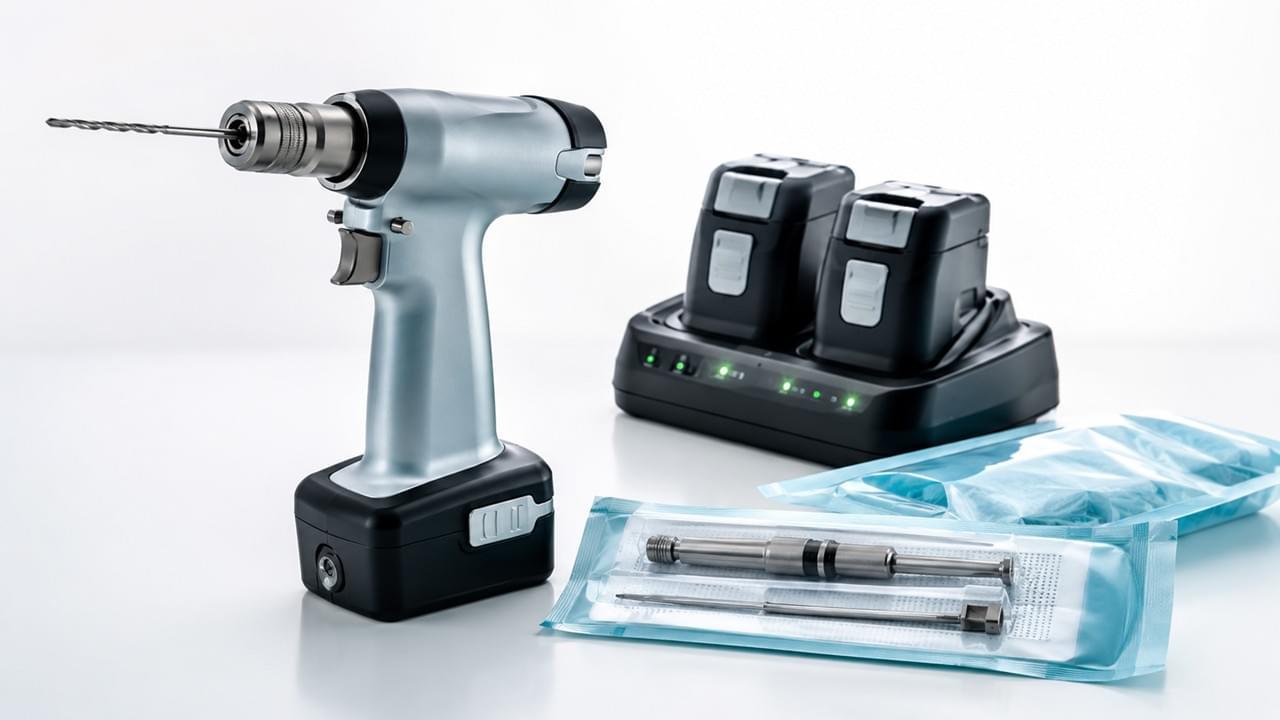
Part of our expert series: Orthopedic Power Tools: The Complete Guide to Surgical Drills, Saws & Systems
Modern operating rooms demand speed, mobility, and reliability. That is exactly why battery technology surgical power tools have become essential in orthopedic and trauma procedures. Compared with older pneumatic systems, modern cordless surgical tools offer greater flexibility, easier handling, and more efficient workflow management.
Today’s lithium-ion battery systems are no longer simple power sources — they directly influence surgical precision, sterility management, and operating room productivity. 🏥
Why Battery Technology Surgical Power Tools Are Transforming Surgery 🔋
The transition from pneumatic instruments to cordless systems has changed the way orthopedic teams operate. Surgeons now expect tools that deliver consistent torque, lightweight handling, and uninterrupted runtime throughout demanding procedures.
The key driver behind this shift is the lithium-ion surgical drill battery. Compared with traditional NiCd or NiMH systems, lithium-ion technology offers several major advantages:
- Higher energy density for longer runtime
- Faster charging cycles
- Reduced battery memory effect
- Lightweight ergonomic design
- Stable high-power output during bone drilling
For hospitals performing multiple procedures daily, cordless systems can significantly improve workflow efficiency while reducing cable clutter in sterile environments.
If you are comparing cordless and pneumatic systems, this guide on Pneumatic vs. Electric Orthopedic Power Tools provides additional insights into clinical performance differences.
How Battery Technology Surgical Power Tools Improve Runtime ⏱️
Runtime remains one of the most important purchasing considerations for surgical departments. Different procedures place different demands on battery systems, especially during long orthopedic or arthroplasty surgeries.
Standard Voltage Categories
Most modern orthopedic systems fall into several voltage ranges:
| System Type | Voltage Range | Typical Use |
| Compact Systems | 7.2V | K-wire and small bone procedures |
| Standard Systems | 10.8V | General orthopedic drilling |
| High-Torque Systems | 14.4V | Reaming and arthroplasty |
| Advanced Professional Systems | 18V | Complex heavy-duty procedures |
A higher voltage system generally delivers more torque and extended cordless bone drill runtime, especially during continuous bone cutting applications.
Battery Runtime Expectations
Procedure intensity directly affects runtime performance:
- 🦴 K-wire driving: 90–120 minutes
- 🔩 Standard drilling: 50–75 minutes
- ⚙️ Continuous reaming: 25–45 minutes
- 🪚 Oscillating saw use: 30–50 minutes
For high-volume surgical centers, dual-battery rotation systems are strongly recommended to prevent interruptions during critical procedures.
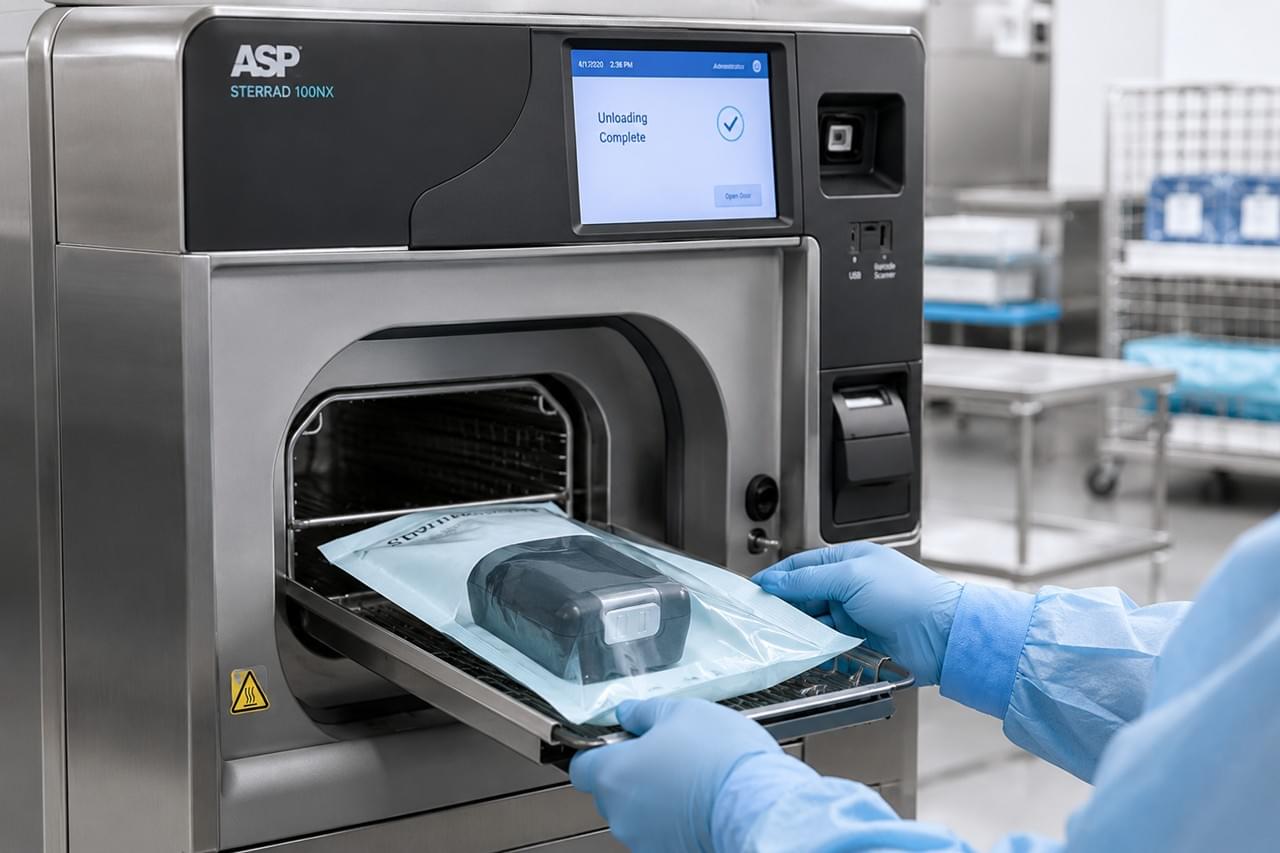
Battery Technology Surgical Power Tools and Sterility Management 🧼
Sterility is one of the most misunderstood aspects of cordless surgical systems. Many buyers incorrectly assume batteries can tolerate standard steam sterilization.
The reality is different.
Why Lithium-Ion Batteries Cannot Be Autoclaved
Standard lithium-ion battery cells cannot safely withstand autoclave temperatures of 134°C. Excessive heat damages internal cell chemistry and may create serious safety risks.
Instead, hospitals typically use alternative sterilization strategies such as:
- Hydrogen peroxide plasma sterilization
- Ethylene oxide (EO) sterilization
- Sterile barrier or drape systems
This is why surgical tool battery life sterility protocols are critical when evaluating any orthopedic power tool platform.
The CDC disinfection and sterilization guidelines also emphasize proper low-temperature sterilization methods for sensitive medical equipment.
For deeper maintenance recommendations, hospitals often reference resources like Orthopedic Power Tool Sterilization and Maintenance.
Smart Charging Systems Enhance Surgical Efficiency ⚡
Modern charging technology plays a major role in operating room readiness. A poorly designed charging system can create unnecessary downtime and workflow delays.
Features Hospitals Should Look For
Premium systems commonly include:
- Dual-bay or multi-bay charging docks
- Rapid charging capability
- Intelligent battery monitoring
- LED state-of-charge indicators
- Overcharge protection systems
Fast-charge systems can typically restore 80% battery capacity within 30–45 minutes, making them highly valuable in busy trauma departments.
Cross-platform compatibility is another major advantage. Some manufacturers allow the same battery pack to power drills, saws, and reamers across the entire product line. This reduces inventory complexity and simplifies battery management.
Hospitals investing in minimally invasive orthopedic procedures may also benefit from reading Innovations in Minimally Invasive Surgery, where compact cordless systems are becoming increasingly important.
Battery Technology Surgical Power Tools Require Proper Lifecycle Management 🔄
Even high-quality lithium-ion batteries degrade over time. Proper handling can significantly extend battery lifespan and maintain consistent surgical performance.
Best Practices for Battery Storage
✔️ Store batteries at 40–60% charge
✔️ Keep storage temperature between 15–25°C
✔️ Avoid long-term charging dock storage
✔️ Inspect regularly for swelling or damage
Most medical-grade batteries maintain effective performance for approximately 300–600 full charge cycles.
Signs a Surgical Battery Needs Replacement
Hospitals should replace battery packs when:
- Runtime falls below 50% of original capacity
- Full charging becomes inconsistent
- Physical deformation appears
- Charging errors occur repeatedly
Ignoring these warning signs can negatively impact surgical reliability and patient safety.
Choosing the Right Battery Technology Surgical Power Tools 🏥
When evaluating orthopedic power systems, the handpiece itself is only part of the equation. Procurement teams should also evaluate:
- Charger availability
- Battery replacement cost
- Sterilization compatibility
- Cross-platform battery support
- Manufacturer technical support
At Vsun Medical, battery-powered orthopedic systems are designed with advanced lithium-ion technology, validated sterilization protocols, and efficient charging systems to support modern surgical environments.
👉 Explore our Orthopedic power tools product page for detailed specifications and system options.
Hospitals seeking technical consultation or OEM support can also directly contact the engineering team here:
🔗 https://www.vsunmedical.com/contact
Final Thoughts 💡
The future of orthopedic instrumentation is increasingly cordless. As surgical teams prioritize mobility, efficiency, and infection control, battery technology surgical power tools will continue shaping the next generation of operating room performance.
From longer runtime to smarter charging and safer sterility management, advanced lithium-ion systems now play a central role in surgical success. Choosing the right platform is no longer simply about power — it is about long-term reliability, workflow optimization, and clinical confidence.
 English
 Arabic
 German
 French
 Italian
 Spanish
 Russian
 Japanese
 Korean
 Turkish
 Portuguese