
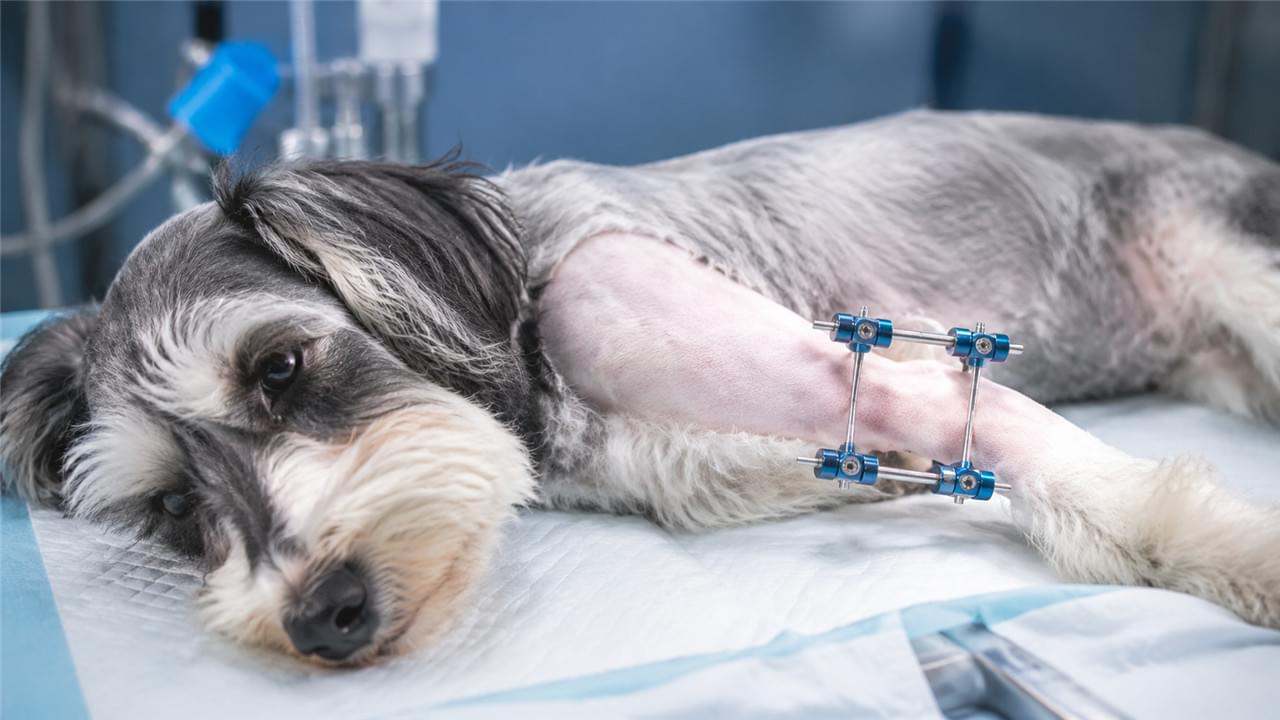
📘 This article is part of our comprehensive guide: Veterinary Orthopedic Surgery: Modernizing Animal Surgical Care
TL;DR: Small animal fracture repair — particularly in cats and small-breed dogs — demands mini and micro external fixator systems scaled for tiny bone anatomy. This guide covers the fracture patterns you will see most in small patients, why external fixation is the go-to approach, the component specifications that matter, a step-by-step surgical protocol, and the postoperative care that gets pets back on four feet. Perfect for veterinary surgeons and procurement teams deciding which fixator configuration fits their caseload.
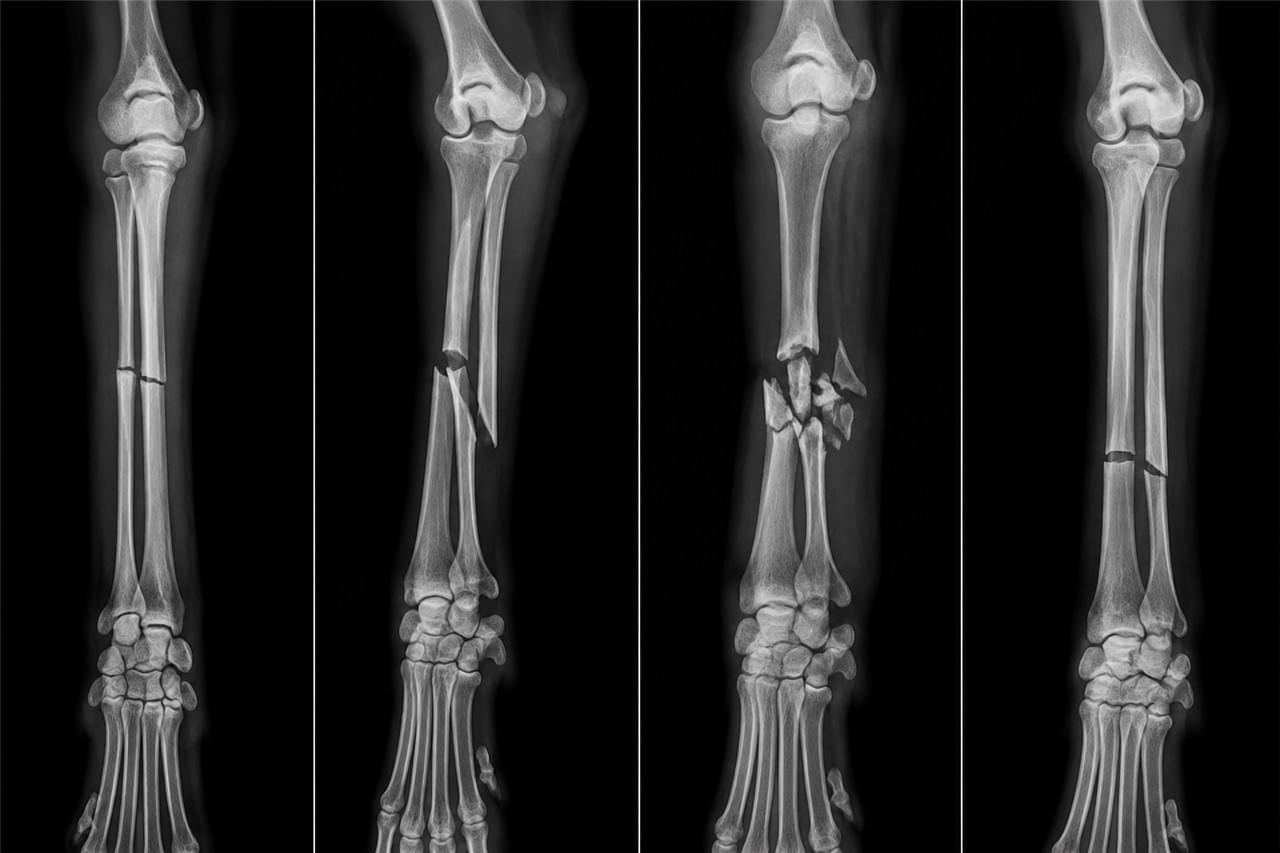
📊 Common Fractures in Small Animal Patients
Cats and dogs under 10 kg make up a significant share of veterinary orthopedic emergency cases. The fracture patterns differ meaningfully between species — and so does the fixation.
Cats: Small Bones, Big Challenges
- 🦴 Distal radius and ulna fractures — most common in juvenile cats; growth plate fractures (Salter-Harris type) need careful reduction without physeal damage
- 🚗 Femoral fractures — mid-diaphyseal fractures from road traffic accidents
- 🩹 Tibial fractures — often highly comminuted because feline cortical bone is thin
Cat bone fractures demand real precision. The feline cortex is thin, the bones are short, and the fixation hardware has to work in a very small surgical field.
Toy-Breed Dogs: The Nonunion Problem
- 🐕 Radius and ulna fractures — toy breeds (Chihuahua, Yorkshire Terrier, Pomeranian) are especially susceptible; limited periosteal blood supply drives high nonunion rates
- 🦵 Femoral fractures — common in toy and miniature breeds
- 🦶 Tarsal and metatarsal fractures — these need micro-fixator support
Toy breed fracture nonunion deserves special attention: some series report nonunion in up to 50% of toy-breed radius fractures treated with standard methods. The reasons are well understood — thin cortical bone with limited periosteal vascularity, heavy loading stress at the fracture site, and the sheer difficulty of stable internal fixation in bones only 3–5 mm in diameter. Biological external fixation, which preserves periosteal blood supply while achieving stable fixation, gives these fractures the best possible healing environment.
💡 External Fixation in Small Animal Orthopedics
Why External Fixation Wins in Small Animal Fracture Repair
External fixation carries several advantages over internal fixation when it comes to small animal fracture repair — especially when the patient weighs less than a bag of flour:
| Advantage | Clinical Significance |
|---|---|
| 🩺 Minimally invasive | Preserved periosteal blood supply → better bone healing |
| 🔧 Adjustable | Frame can be modified post-surgery without reoperation |
| 🩹 Wound access | Essential for open fractures and skin/soft tissue injuries |
| 💊 Easy removal | Removed under light sedation in clinic — no second surgery |
| 💰 Cost-effective | Lower implant cost than internal fixation in many configurations |
| ⚖️ No retained metal | Removes long-term implant retention concerns in small patients |
For companion animal practice, that combination is hard to beat — and it is why fixators have become a staple of veterinary fracture care. If you are weighing fixator types, our overview of External Fixator Solutions: Types and Clinical Recovery fills in the detail.
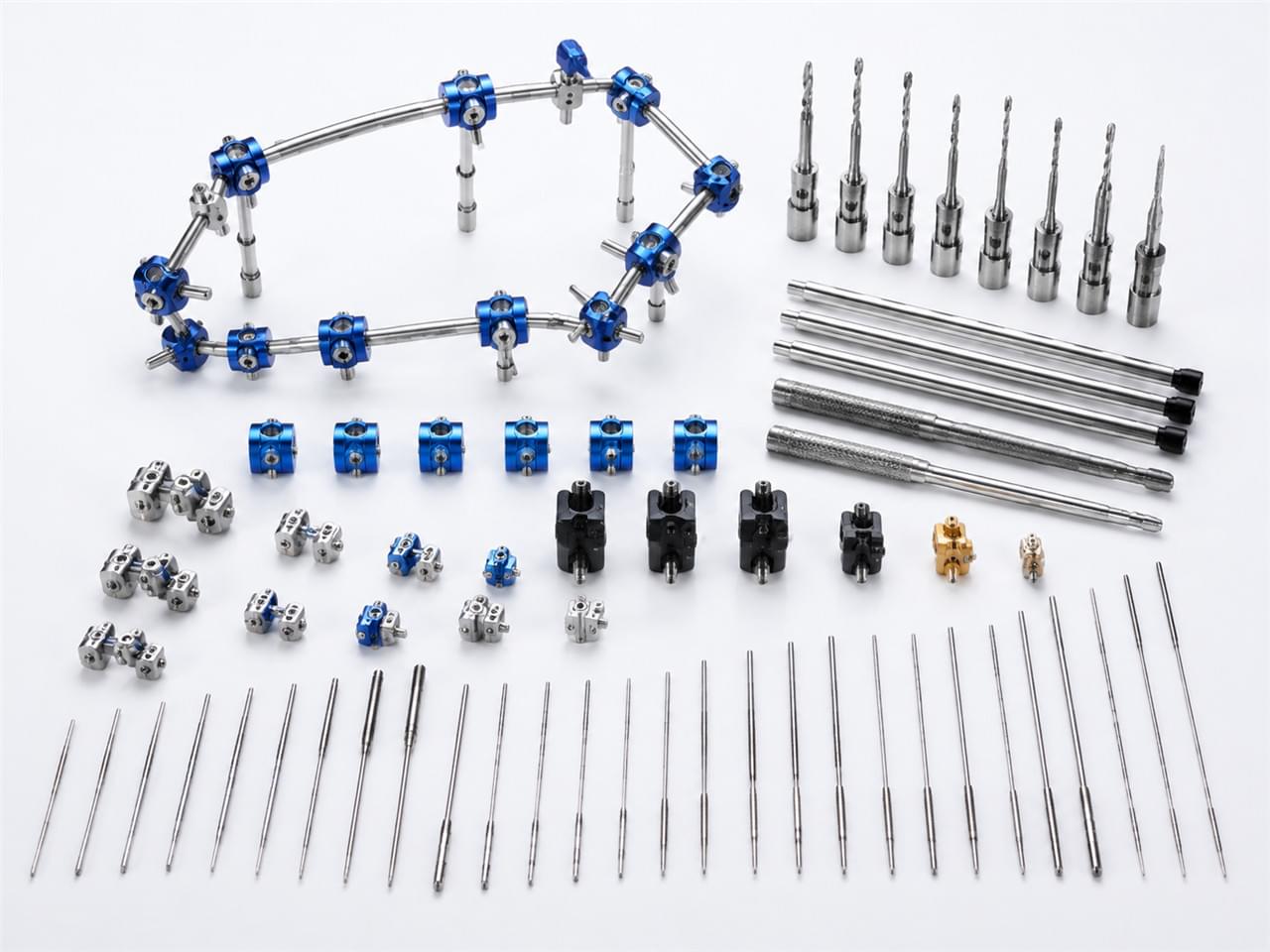
🔧 Mini External Fixator Systems: Component Breakdown
Pin Sizing: The Foundation of Small Animal Fracture Repair
Pin diameter scales directly with patient size — get this wrong and nothing else matters:
| Application | Recommended Pin Diameter | Pin Length |
|---|---|---|
| 🐱 Cats, toy dogs (<5 kg) | 1.0–1.2 mm half-pin | 30–40 mm |
| 🐕 Small dogs (5–10 kg) | 1.5–2.0 mm half-pin | 40–60 mm |
| 🐶 Medium dogs (10–20 kg) | 2.0–2.5 mm half-pin | 50–75 mm |
Vsun Medical supplies mini external fixator half-pins starting at 1.0 mm diameter — small enough for the tiniest feline and toy-breed bone sizes, with full specifications available in our veterinary product catalog.
Connecting Bars & Clamps
Mini fixator systems use reduced-diameter connecting rods — 4–6 mm carbon fiber or aluminum alloy — with scaled clamps that fit the smaller pins. The lighter, slimmer frame means less bulk on a small patient, which matters for comfort and compliance.
Unilateral vs. Bilateral Frames
For most small animal long bone fractures, a unilateral (Type I) configuration with a single connecting bar is enough: simpler application, less drilling, adequate stability for most fracture patterns, and a less bulky frame patients tolerate better. Bilateral (Type II) or full-pin (Type III) configurations are reserved for highly unstable comminuted fractures needing maximum rigidity.
🏥 Surgical Application: A 7-Step Protocol
Equipment Needed Before You Start
- 🔋 Battery-powered mini bone drill (0–800 RPM low-speed range)
- 🪛 Mini drill bit set (1.0–2.5 mm diameter, matching pin sizes)
- 🧰 Mini external fixator component set (pins, clamps, bars)
- 📷 Fluoroscopy unit (C-arm)
Need to build out a broader surgical toolbox? See How to Configure a Veterinary Orthopedic Instrument Set for the full picture.
A 7-Step Protocol for Small Animal Fracture Repair
- Prepare the patient — general anesthesia; sterile preparation of the affected limb
- Reduce the fracture — closed or minimally open reduction under fluoroscopy
- Place the first pin — most proximal pin through a small stab incision, advancing the mini drill at 300–500 RPM to minimize thermal damage
- Apply bar and clamps — connecting bar and clamps fitted loosely to the first pin
- Maintain reduction — assistant holds reduction while remaining pins are placed through additional stab incisions
- Tighten everything — clamps tightened after confirming reduction in two planes under fluoroscopy
- Dress the pin sites — simple dressings applied; owner briefed on daily care
The 300–500 RPM guidance deserves emphasis: slow-speed drilling is what keeps thermal necrosis off the surgical outcome. For technique reference, the AO Foundation veterinary surgery resources are an excellent benchmark.
🩹 Postoperative Care & Complications
Pin Site Care After Small Animal Fracture Repair
- 🧴 Clean pin sites daily with saline or dilute chlorhexidine solution
- 👀 Monitor for infection signs: discharge, redness, swelling, pain on touch
- 🔒 Prevent licking with an Elizabethan collar
- 🏃 Restrict activity: cage rest for cats; lead walking only for dogs
Common Complications
- Pin tract infection (most common) — early antibiotics and local cleaning usually control it
- Pin loosening — occurs with cyclic loading; needs pin replacement or frame modification
- Fracture disease (disuse osteopenia) — minimized with early graduated loading
What if the fracture does not heal? Extended fixation beyond 12–16 weeks raises infection risk and patient discomfort. When union is delayed, investigate the cause — inadequate stability, infection, poor blood supply — and intervene with bone grafting, frame modification, or conversion to internal fixation. Simply prolonging external fixation is rarely the answer.
Frame Removal
Fixators come off in clinic under light sedation once radiographic healing is confirmed — callus bridging visible in two planes. For toy-breed dogs that typically lands at 8–12 weeks; for cats, 6–10 weeks. The removal procedure is brief and well tolerated: dexmedetomidine ± butorphanol in cats, similar protocols in dogs, with optional local anesthetic at the pin sites.
✅ Equip Your Practice with Mini External Fixator Systems
Vsun Medical supplies complete mini and micro external fixator kits for small animal orthopedic surgery — GMP manufacturing standards, a 2-year warranty, and global export capability. Whether you run a general practice or a referral hospital, the right kit starts with the right pins, bars, and clamps for your caseload.
📋 Request Veterinary Product Catalog → vsunmedical.com/contact
Or explore the full veterinary orthopedic tools product range.
The Veterinary Orthopedic Society clinical resources are worth bookmarking for staying current on fracture management technique.
GMP Compliant · 2-Year Warranty · Veterinary Specialist Support
 English
 Arabic
 German
 French
 Italian
 Spanish
 Russian
 Japanese
 Korean
 Turkish
 Portuguese